Monday, 17 April 2006

Easter Holiday; Telemark skiing in Lyngsalpene


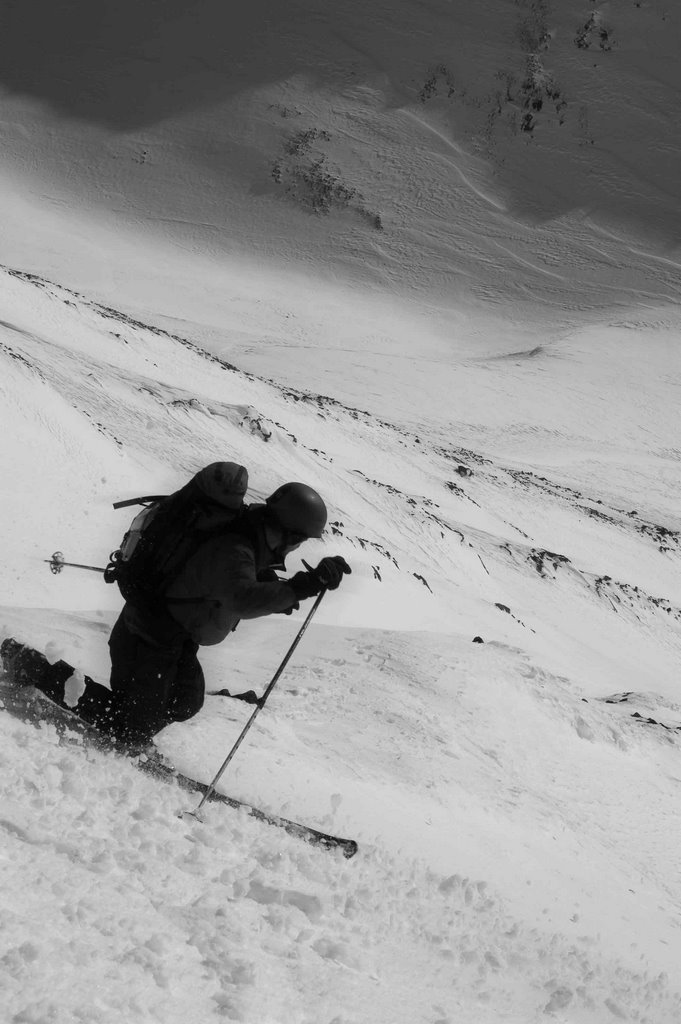
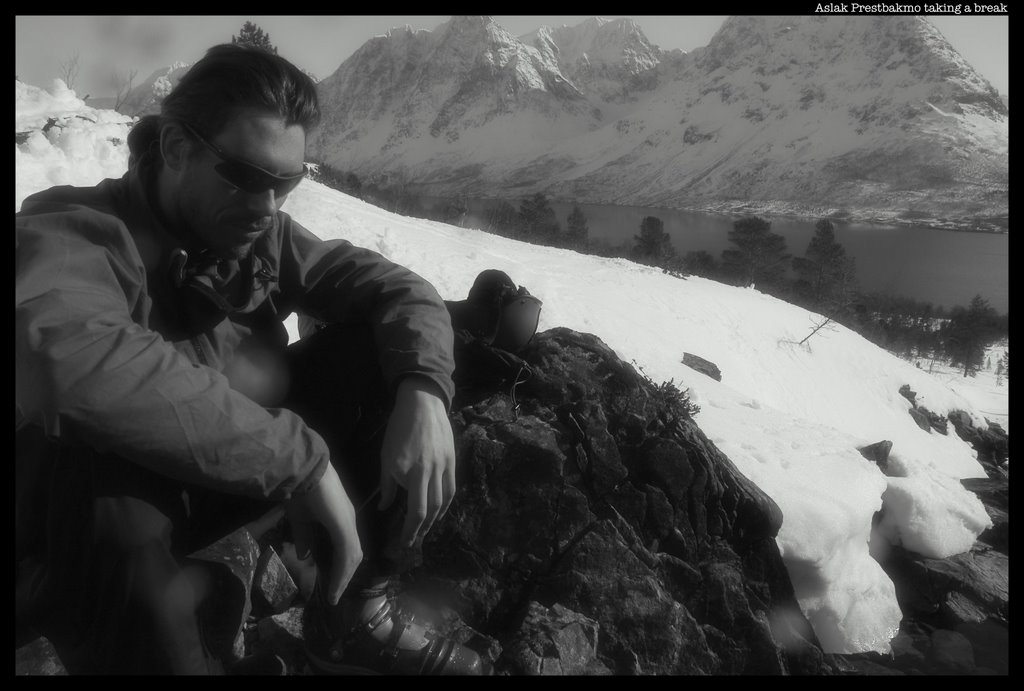
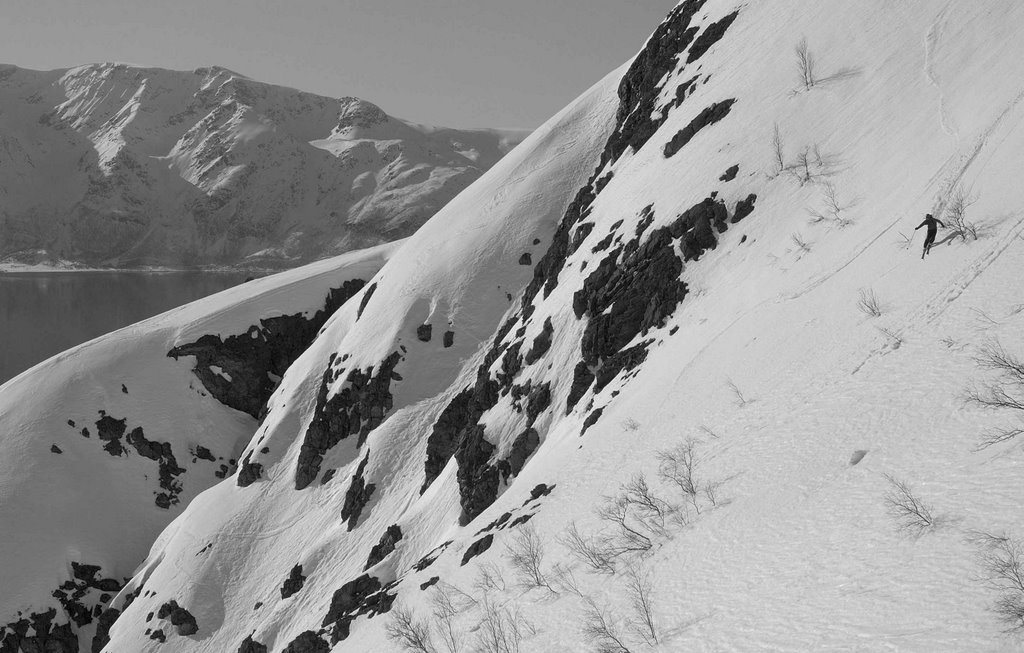
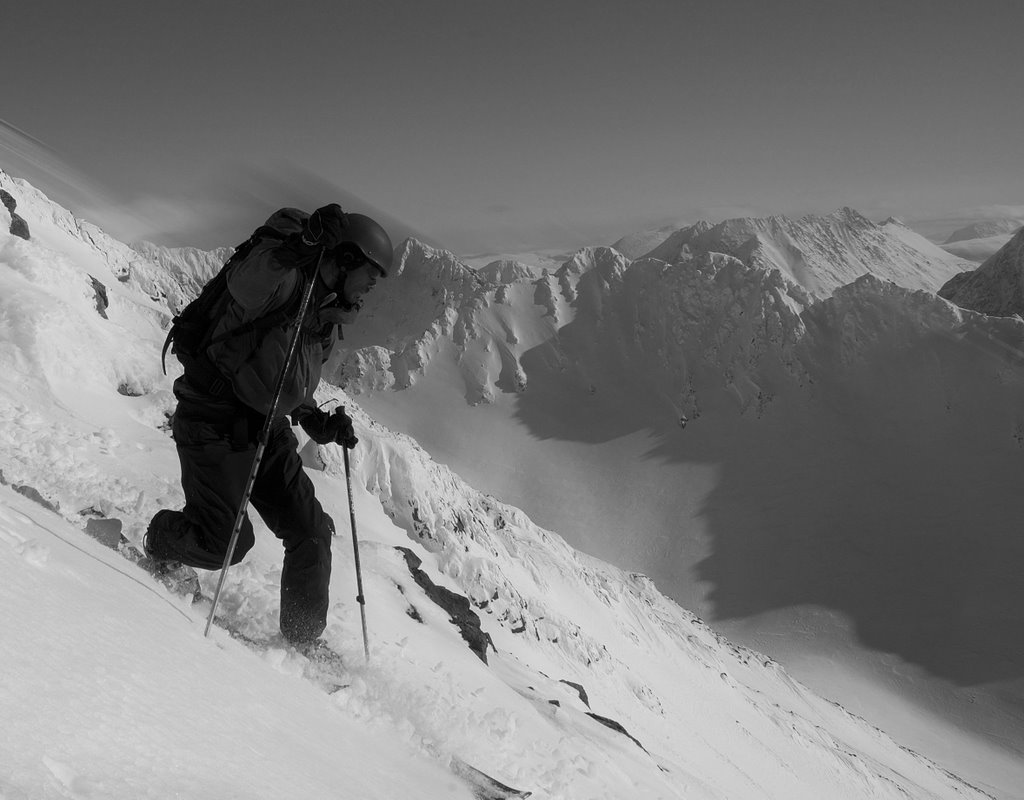
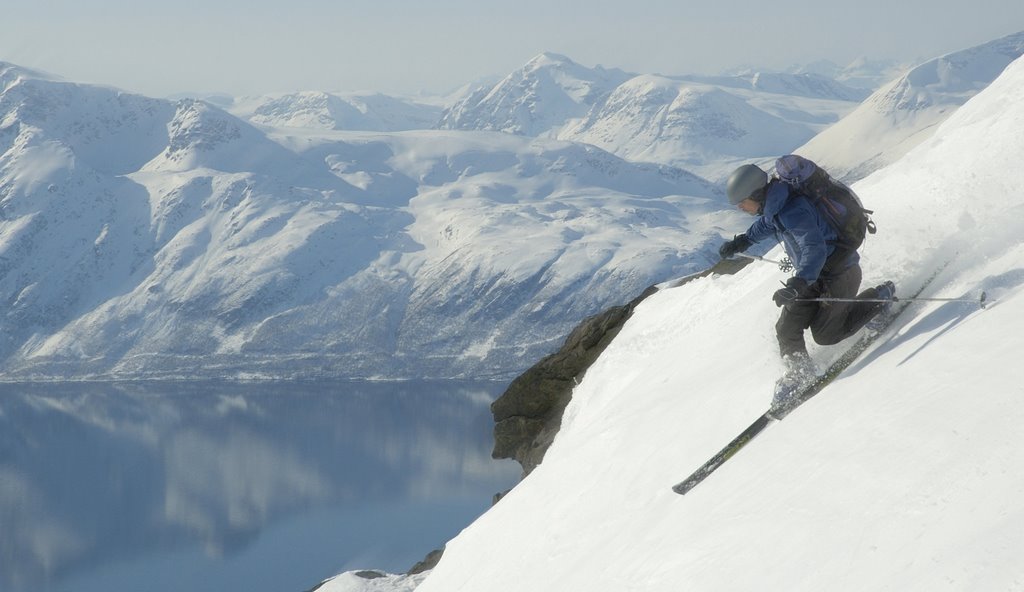
Weather has been perfect this Easter. The mountains around Tromsø have invited to skiing trips. On this occasion, my friend: Aslak Prestbakmo and I went to Lyngsalpene and a mountain called Sofiatinden. Sofiatinden is one of then easy accessible mountains on the 85 km long penninsula called Lyngen. There are more than 30 summits higher than 1500 meters (4500 ft) a.s.l. It is challenging alpine terrain and no lifts what so ever to take you to the tops. The pristine Lyngenalpene (Lyngen Alps) is partly protected (two-thirds of the total land area) from future installations and infrastructure. This makes Lyngsalpene one of the most interesting places in Northern Norway for outdoor activity, especially for those who look for challenges in steep skiing and climbing. The pictures should talk for themselves, on this day we found Nirvana less than one hour from where I live in Tromsø (35 min. driving + 15 min. ferry + 5 min driving again…) (All pictures is of Aslak Prestbakmo and shot by me, Jørn Henriksen)

Thursday, 16 February 2006

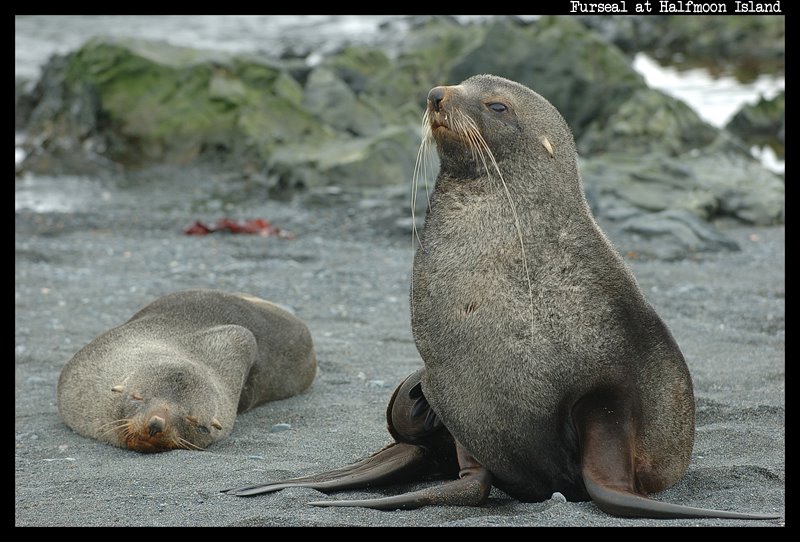
Antarctic Fur Seal


The last trip to Antarctica was pretty grey weatherwise. Non the less, on our first landing we came upon some really nice antarctic fur seals on Half Moon Island. This guy was posing for me while his friend was pretty indifferent to me. The fur seals is extremely adaptive and are thriving in the Southern Ocean. On the Island of South Georgia there are now millions of them, in the 1970´s there were virtually non left there. The fur seals was harvested for their delicate underfur that waterproofs them. They were hunted almost to extinction. Then the whales faced a severe toll in the same area and some now speculate if it is actually the marginalized number of whales in the Southern Ocean that are the reason fur seals are multiplying so fast the last decade or two. They are after all feeding on the same "cornerstone" spiecies; krill. Summed up; less whales to eat krill gives more krill to our friends the fur seal, and they are better off. The big question is; Is the whales going to come up in the competition with these guys? And when?

Sunday, 5 February 2006

Fathom Expeditions charter 2006


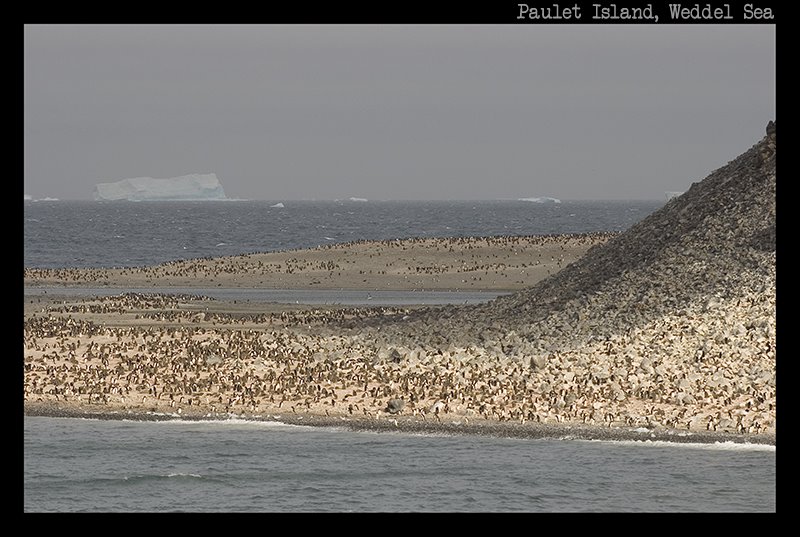
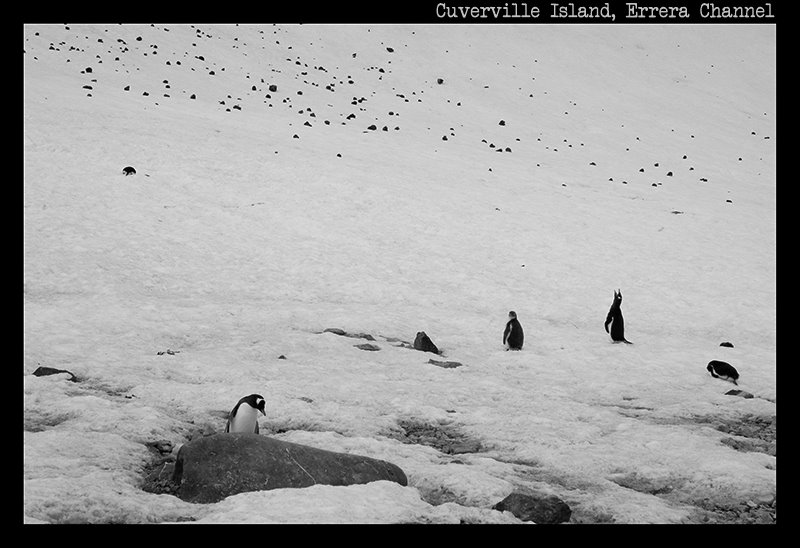
The last expedition with Polar Star to Antarctica was a full time charter with a Toronto based company called Fathom Expeditions. Our 12-day itinery took us to Elephand Island, Danger Islands, Paulet Island, Snow Hill Island, Devil Island, King George Island, Cuverville Island, Paradise Harbour, Danco Island, Petermann Island, Port Lockroy, Neko Harbour, Cierva Cove and Deception Island. These places would we known to seasoned Antarctic guides – I just list them up here because I think these names contains a certain athmosphere themselves.

However, Antarctica again showed all her sides; howling winds in the Weddel Sea, making it impossible to land on Heroina Island, flatt calm and super in amongst the South Shetlands the day after, reflections – double of everything as we sailed north the Neumayer Channel and big waves again coming north the Bransfield Strait towards Deception Island at the end. Smooth crossing of the Drake Passage both ways!

People often ask me; …what do you prefer; the arctic of the antarctic?

I often answer; …don´t be unfair to me – I grew up and have a special relationship to the arctic, it´s my home. On the other hand, Antarctica is beyond words…

Have a great time wherever you are in the world – and remember – all the penguins in down here depend on YOU!!

...behind the scenes continues


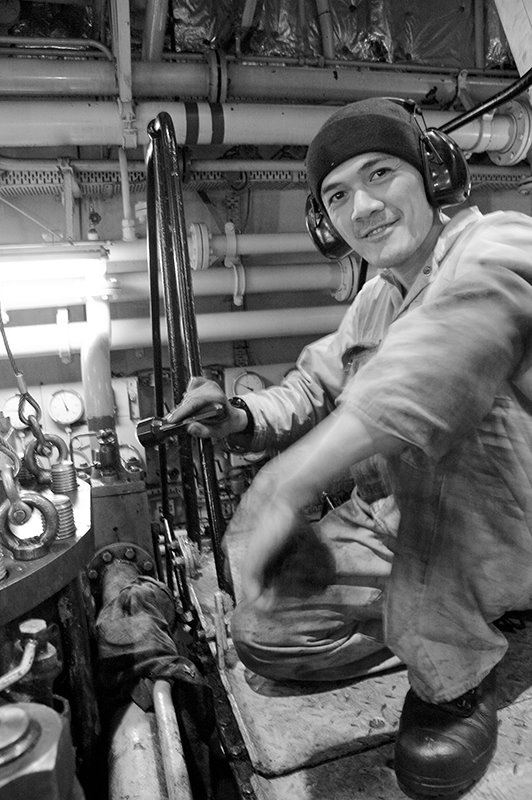
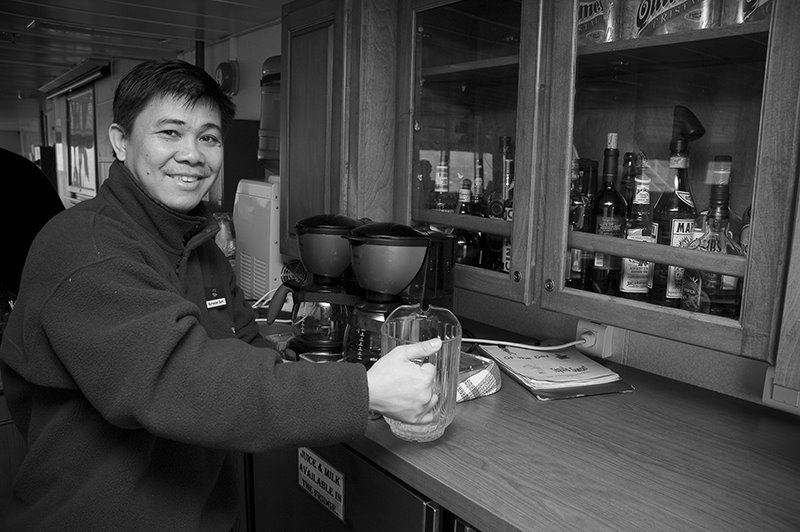
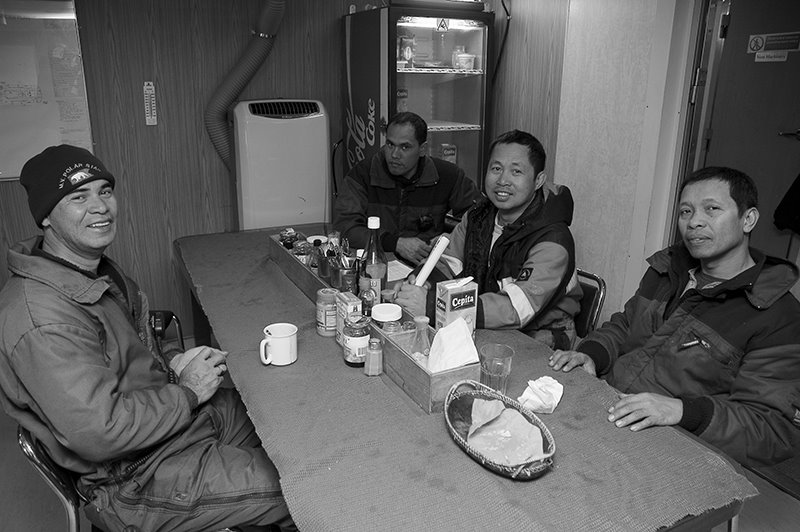
Photo reportage; Polar Star behind the scenes

Most people who are onboard M/V Polar Star see things from a passenger perspective. Working and living aboard a small expedition vessel is something quite different. Most of the Philipino crew are onboard for 9 months, home for 3 months and onboard again for 9 months. Some of our crew have been with Polar Star since the vessel came into service in 2001.

Common for all crew is that they are hard working and smiling. No matter what an enthusiastic expedition team throws at them, they are up to the challenge and super keen on cooperating giving the passengers the best possible experience while onboard.

Even when I intruded some of their back stages to shoot this reportage they kept smiling, no matter what situation they were in. I will continue working on this little project until I have a portrait of everyone onboard M/V Polar Star.


Thursday, 12 January 2006

Between the Poles, what do you do??

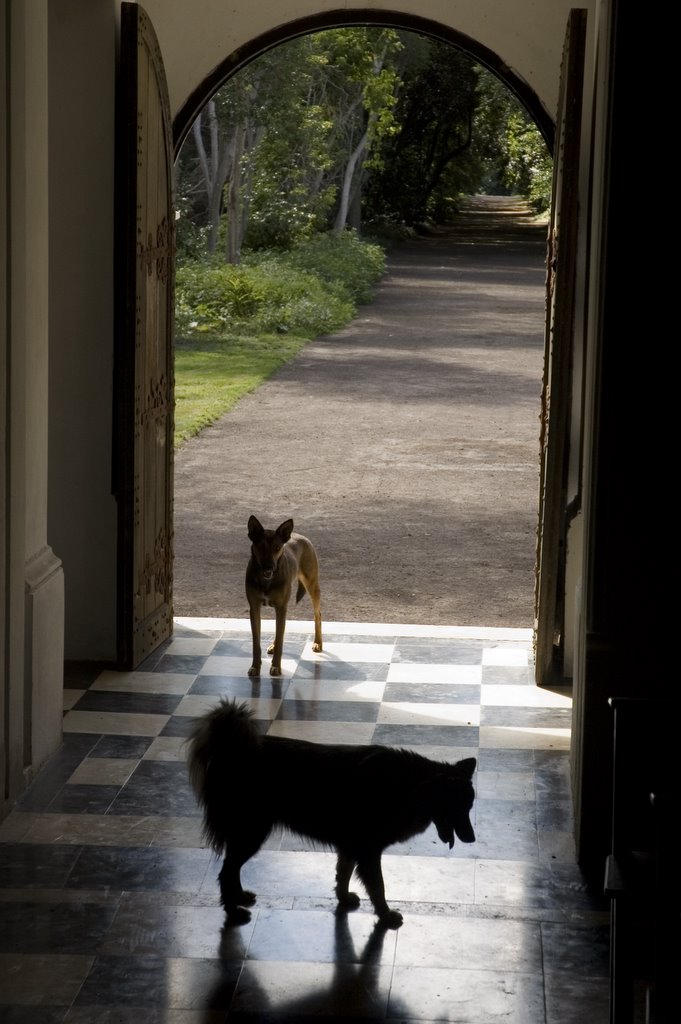
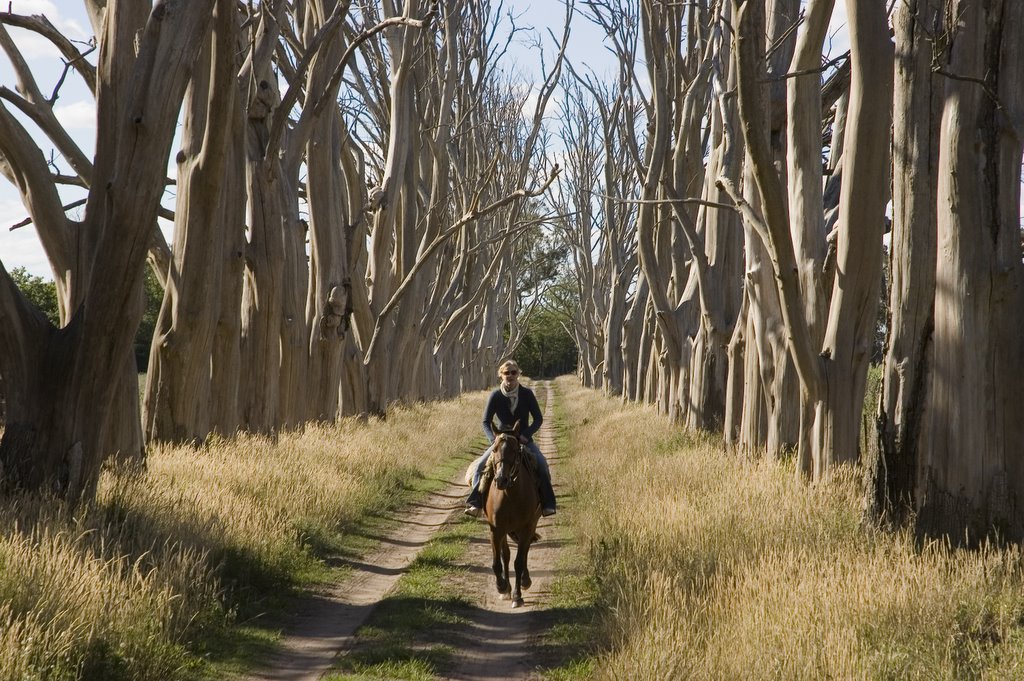
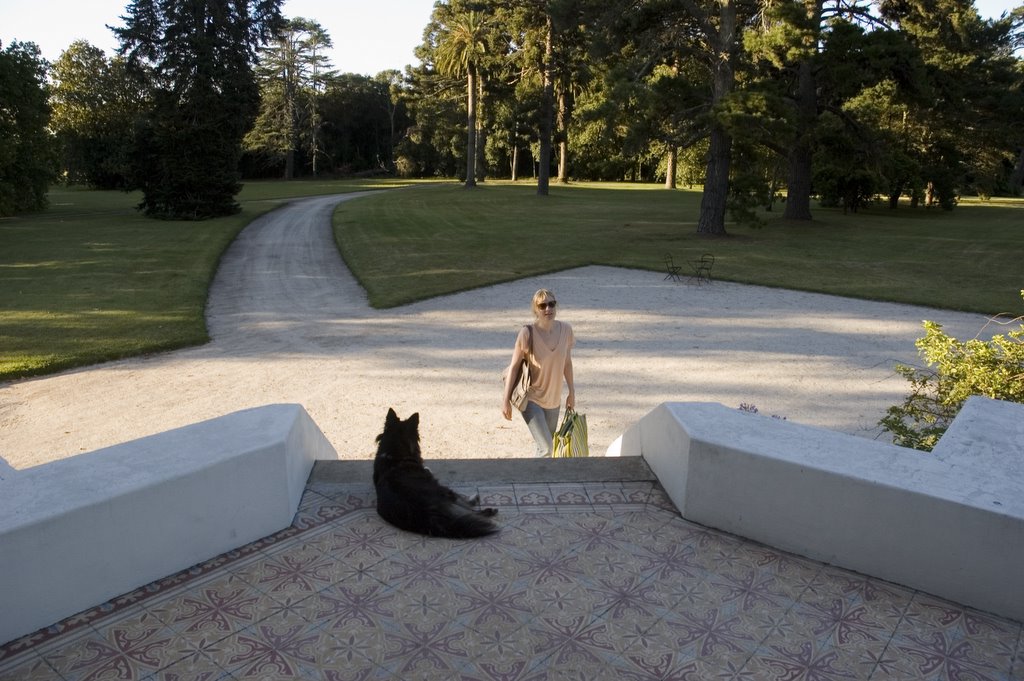
I have just arrived home to Tromsø, Norway and the darkness of January here at 70° north. Travelling from Ushuaia to Europe took me through Buenos Aires where Annelill and I spent a day at Estancia Dos Talas on the Pampas.

It is a treat for body and soul to enjoy the tranquility and atmosphere of such a place, think of the times when the cattle-barons spent four months of the year at their estancia, then some time in the city, usually in the season for operas and concerts at Teatro Colon and parts of the year in a European metropol, often Paris.

Well for me it is Paris of the North - Tromsø...


Estancia Dos Talas web site is http://www.dostalas.com.ar/ and if you want to go horseback riding or other adventures in Argentina, contact my friends Andres and José at http://www.horsesadventures.com.ar/

Wednesday, 11 January 2006

Infamous Southern Ocean

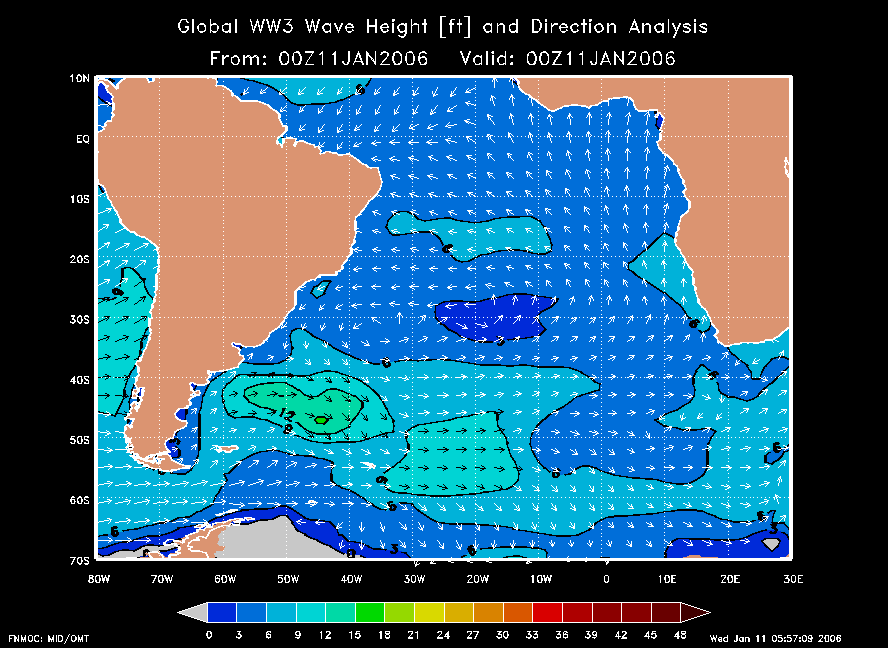
Myth or true?? My experience is that the weather in the Souther Ocean has a myth attached that is worse than it really is down there. Having crossed the Drake Passage between South America and Antarctica some 60 times I have certainly seen some bad weather, but a large percentage of the time it is just gentle rolling and long swells coming from the Pacific due to the prevailing westerlies.
The worst conditions at sea I have ever had was off north-west Newfoundland (not far from the Flemish Cap), an area with a similar somewhat dubious reputation. There we had 18 meter waves and force 11, and I can assure you that it rocks!

Having said that I feel the waves and weather is better that the myth I have never been sailing in the Southern Ocean in the wintertime, and I don´t know if I´d want to try either... I always hope for fair weather anyway!


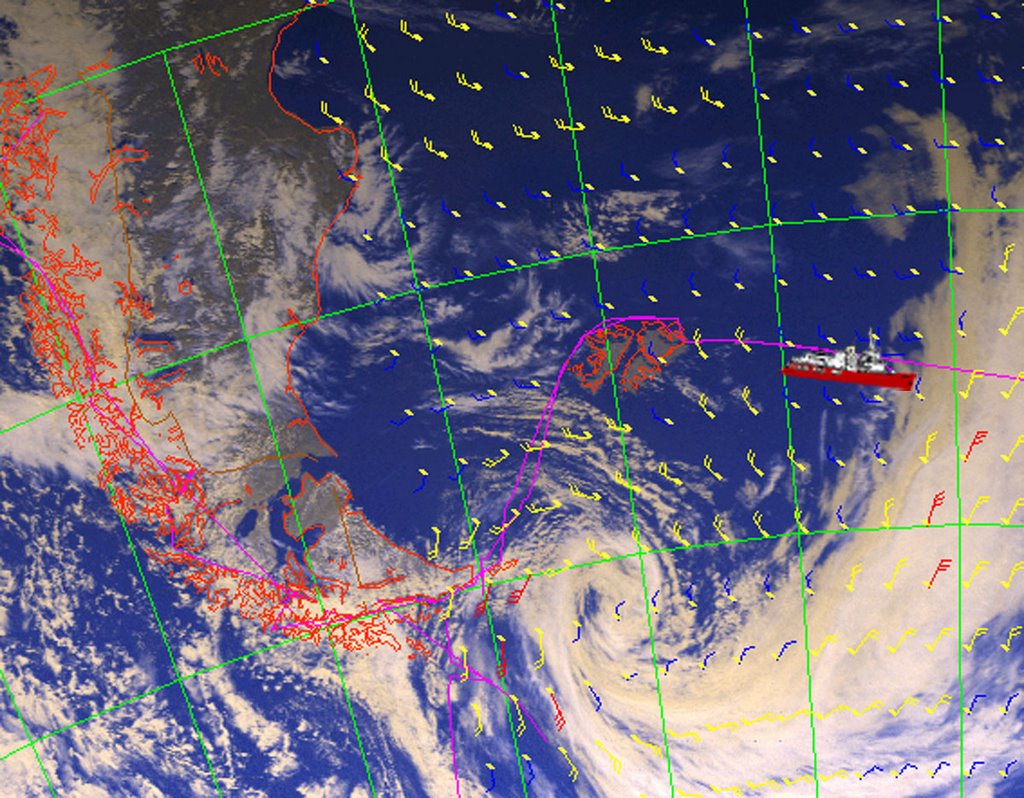
Here are two pictures that tells you somethind about the waveheight today and a weather system we dodged in November 2005 on our way beetween the Falkland Islands and South Georgia.

Tuesday, 20 December 2005

Idle days with Penguins in Antarctica

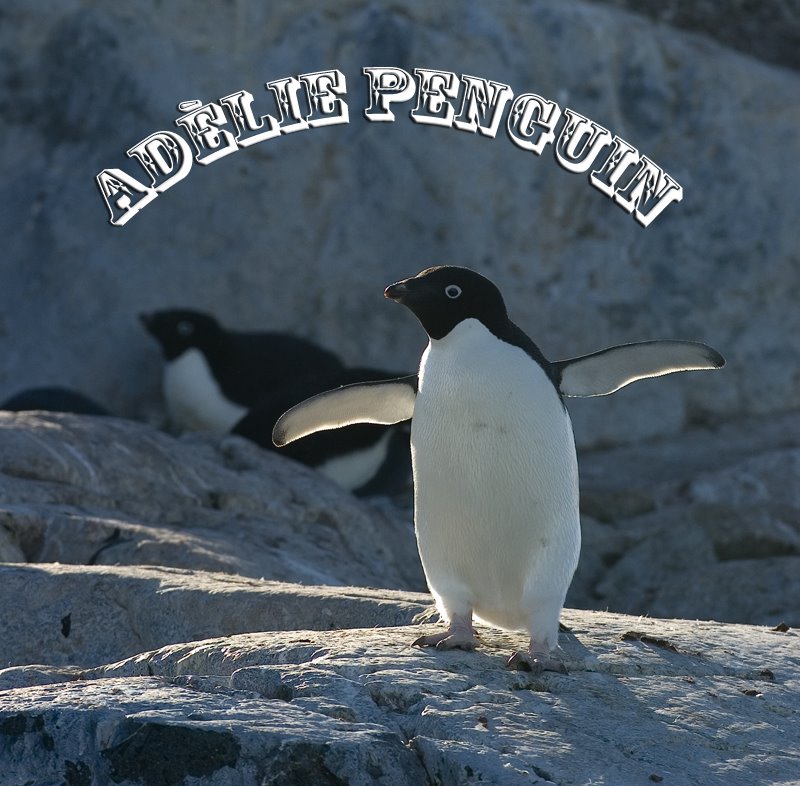
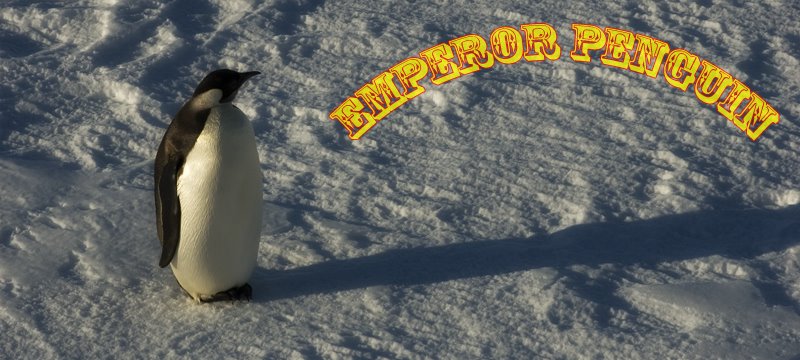
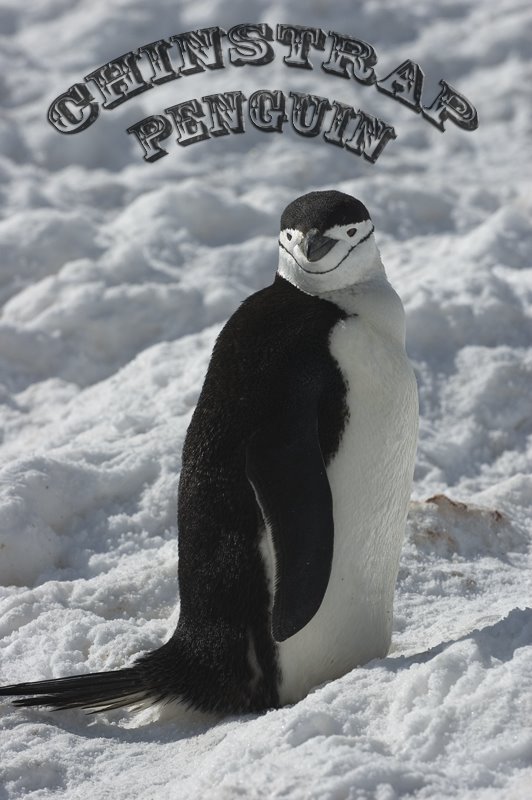
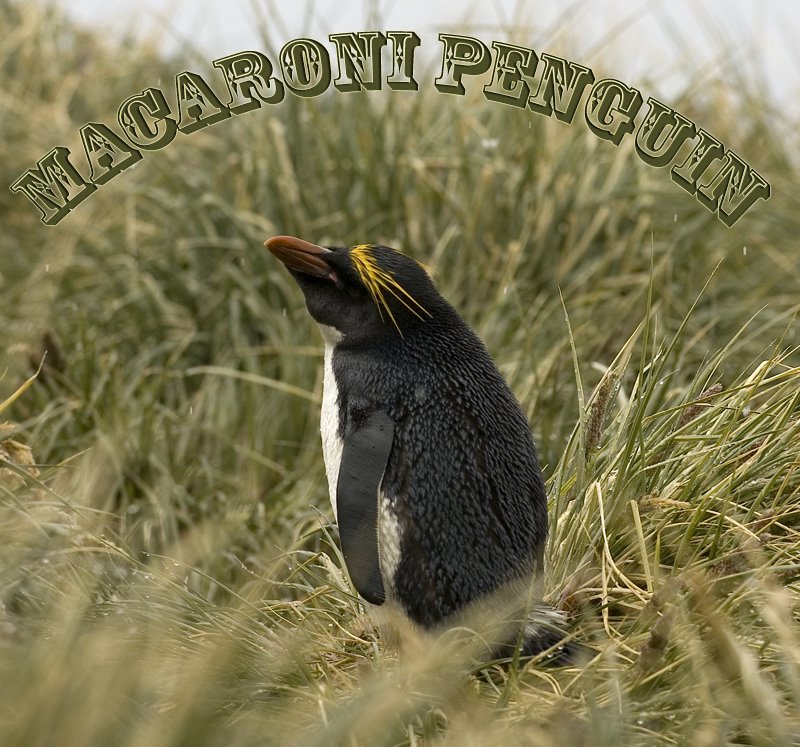
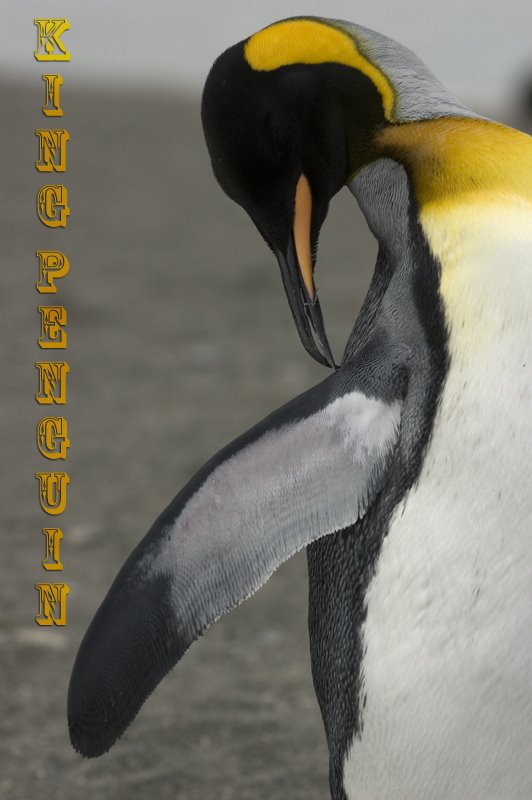
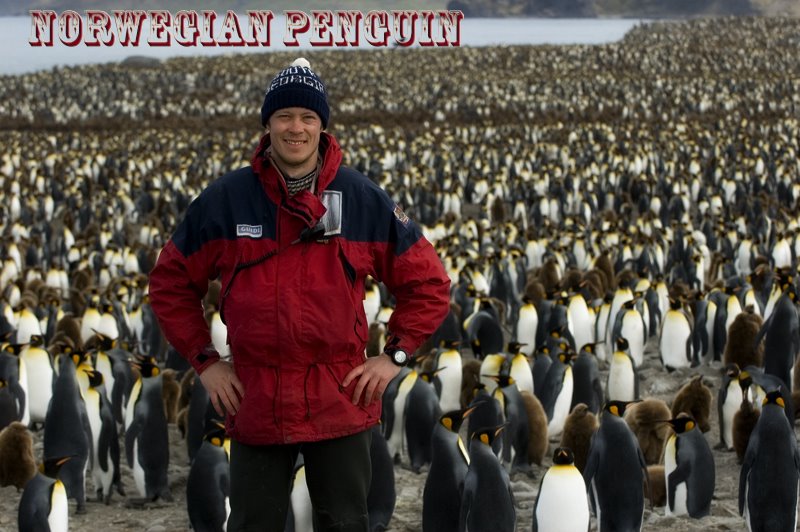
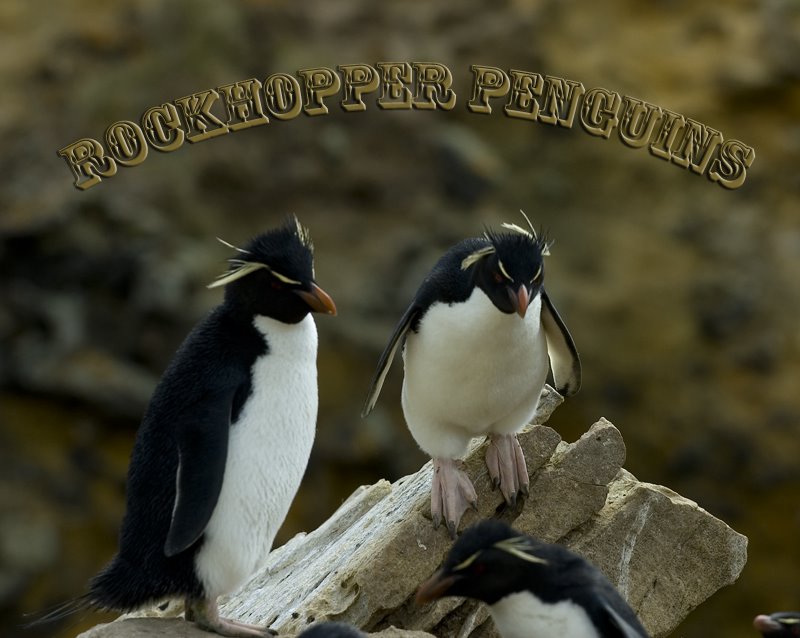
Hi, been on two long trips to Antarctica now and what can you expect? Penguins! Here are all the species we have seen on our first trips!!


MERRY CHRISTMAS TO YOU ALL!!

Sunday, 20 November 2005

Chillean Fjords and Torres del Paine

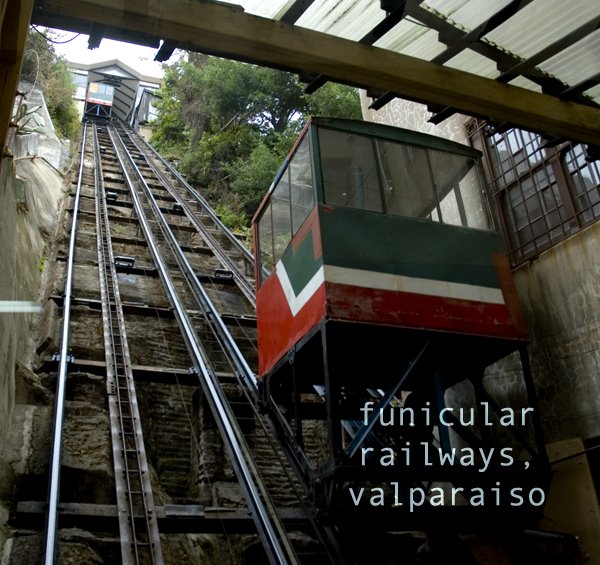
We have covered many sea miles since the last entry. We have visited some very interesting cities along the Chillean coast; Valparaiso, Valdivia and Puerto Montt, had some interesting tours and seen some very nice things. I must say that taking the old funicular railways (that are on the UNESCO world heritage listing and walk around in the alleyways and small streets
uptown Valparaiso was one of my highlights. There it seems as if street art is much appreciated and you really find some cool graphics on the walls.


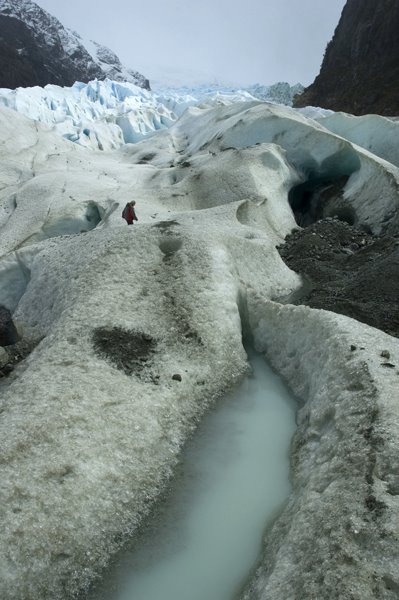
But the real highlight of this whole trip is the southern section, sailing through the fjord landscape from Puerto Montt and south. Some say it’s very similar to the Norwegian fjords, but a big difference is that here temperate rain forest is covering lots of the land. As we come south we find glaciers that project into the ocean, closer to the equator than anywhere else in the world and the climate get really damp. We have now had several days of rain and occasionally sleet in the air, so for those of you living in Norway; I have it pretty similar to you weather-vice as you have home. Luckily the large low pressure over southern South America is about to diminish – something we need as we are later heading for Cape Horn for our southernmost landing of the trip.


Torres del Paine is something for itself. The groups of granite peaks penetrating right up from a relatively flat landscape around at about 200 meters above sea level is truly some of the most impressive in the world. My personal experience is that these Patagonian spires (also those in the Argentinean, Los Glaciares National Park), together with peaks on south east Greenland and Baffin Island are the finest mountains in the world, like giants of Norway’s national mountain; Stetind! Today we were a little bit unfortunate and had overcast and low visibility. Here are a couple of pics from what we saw.


I hope for fair winds as we round the Horn to enter the good old Atlantic and the Beagle Channel in a few days!!

Saturday, 12 November 2005

I know where the Blue Whale is!

The blue whale is the largest living creature, now and in known time. With a lenght up to 33 meter and a weight up to 150 tons it roams the oceans – outside human view most of the time. We know that when it calls it can reach thousands of miles an communicate over immense distances. In the era of whaling in the Southern Ocean, the blue whale was the benchmark and the unit used to measure the catch of other species (1 blue whale unit = x2 fin whales ex.).

There is a lot left to learn about the blue whale, it´s migration, feeding areas, total population – it´s considered a threatened species and is obviously a highlight when observed on a expedition cruise like we do.

It is extremely difficult to predict where to observe cetaceans and naturalists aboard expedition vessels have learned to speak in very vague terms when clients ask where and when they can expect their most wanted sightings.

BUT I KNOW ONE WHO KNOWS WHERE THE BLUE WHALE IS!

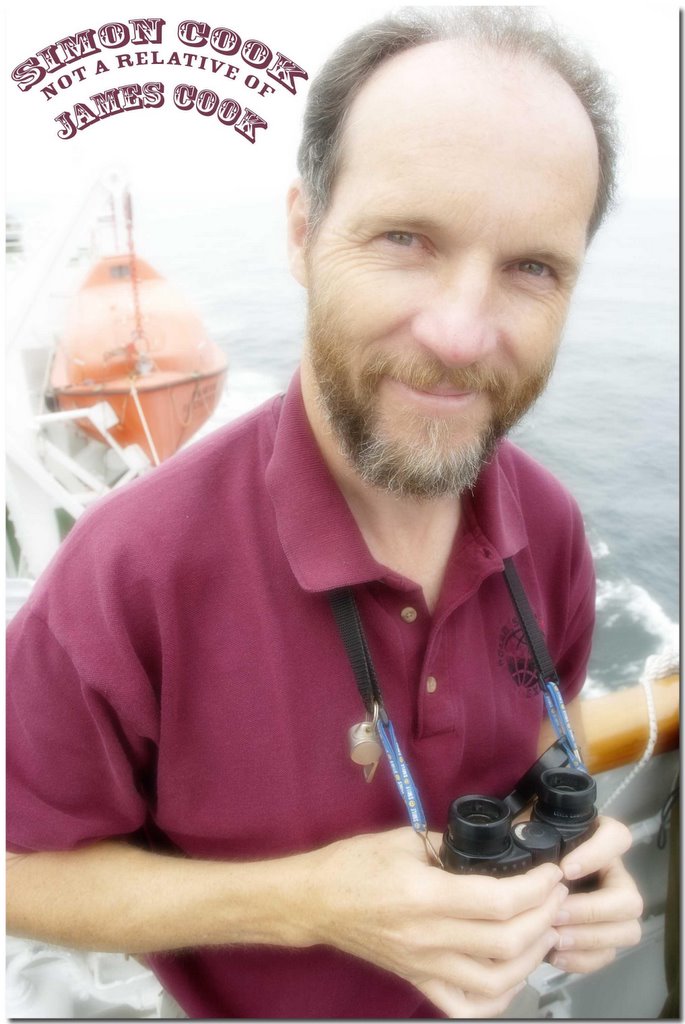
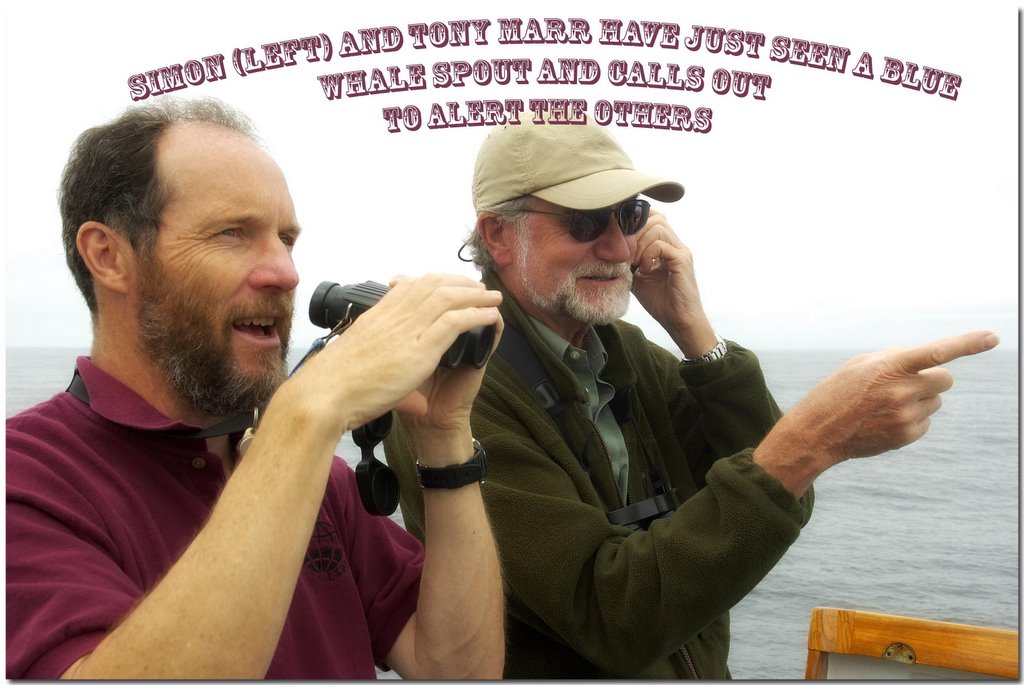
An interview with wildlife lecturer and responsible for all avian fauna aboard M/V Polar Star and cetacean enthusiast; Simon Cook;

Jørn Henriksen: Thank you for doing this interview. Simon, you say that you would rather call cetaceans for whales and dolphins?

Simon Cook: Yes, that is a much better term...

JH: Tell me simon, have you seen any large whales on the first six days of this cruise? You after all spent most of the daylight hours on the bridge.

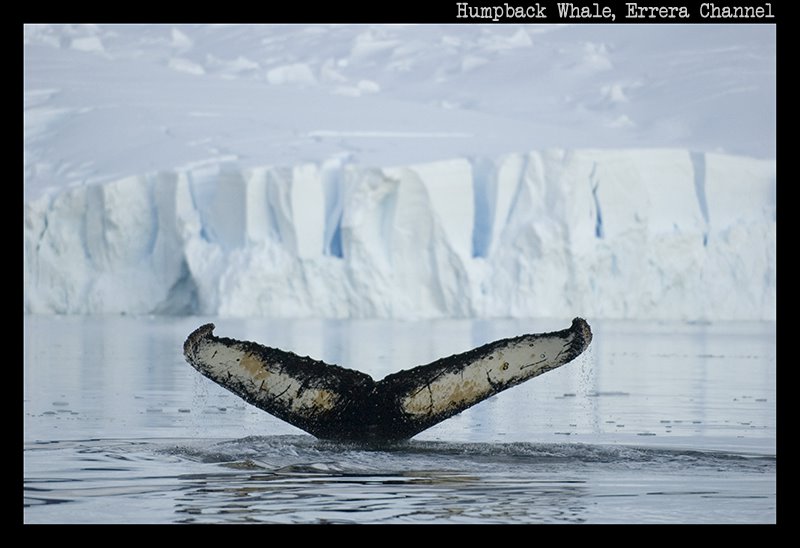
SC: Yes, we saw several humpback whales coming into a port in Southern Peru – some really nice tail flukes as they were diving. And we saw two fin whales the day after, the second largest whale, they came swimming along the starboard side of the ship, only 20 meters off. We have also seen sperm whales, but on quite a distance. Coming out of the harbour Arica in Norhern Chile we encountered two blue whales.

JH: Two blue whales – wow! That must have been a pleasant surprise...

SC: Yes – and the funny thing is that we saw them on the exact same place as we saw them in 2003 and 2004, and almost on the same dates...

JH: Three years in a row, two blue whales, isn´t that quite extrordinary?

SC: There are some good feeding grounds for blues on this coast, and it seems as if this is one of them. I keep notes all bird, whale and dolphin observations I make – I had to mail my wife Mandy to have her look up in one of my older notebooks to confirm the position of the 2003 blue whale sighting – and yes, all three years sightings proved to be within 2 km of each other!

JH: Is it true that some taxonomists want to split the blue whale species into two?

SC: They want to split into ordinary blue whale and pygmy blue whale, but that would be a contradictory term because it would still be the larger than any other living creature...

JH: Can we expect to see more of these, largest living creatures on earth as we sail down the coast of Chile?

SC: Yes, ever since the mid nineties I have observed quite large consentrations of blue whales from Valdivia and south. On some occasions I have observed between 20 and 30 individuals at one time – more than I have heard of anywhere in the world. It is estimated that about 300 individuals are spread along the coast of Chile from Valdivia and south.

JH: That is quite something, why have not the rest of the world heard of this?

SC: It´s only the last few years that Chillean biologists have been out there and done proper countings, ”discovering” them.

JH: Isn´t it only in the few thousands, the estimated world population of blue whales?

SC: Yes – and a large proportion of them seem to be here!

JH: Now, I look forward coming further south and mabye see more blue whales! Another thing Simon; what is the most silly thing that happened today aboard Polar Star?

SC: That ”Missing”, the afternoon movie, went missing and we had to show something else instead...


Simon Cook rushes up to the bridge right after the interview – no time to loose, for many, there is nothing to see but an empty horizon, for Simon; an abundace of seabirds, from tiny petrels, dancing over the surface to giant albatrosses soaring effordlessly across the oceans. And the chance of something rare in the form of whales or dolphins, suddenly appearing from the deep.

Just minutes after we talked, Simon got to see RIGHT WHALE DOLPHINS on a close distance – for his second time in his life!
Wednesday, 9 November 2005

Peru

Just started a trip sailing south from Lima, Peru south to Chile and on round Cape Horn and into the Beagle Channel to Ushuaia, Argentina. Peru is together with Egypt the place in the world where you find more ancient cultural remains than any other place. Part of the reason is the very dry climate, but also that Peru over the millenniums been the cradle for advanced cultures such as the Incas and the Nazca people. The coast of Peru is also relatively rich because of the cold Humbolt current that sweep along all the way up to equator. A relatively small part of our itinerary is in Peru, but definately some of the highlights are here. Starting out
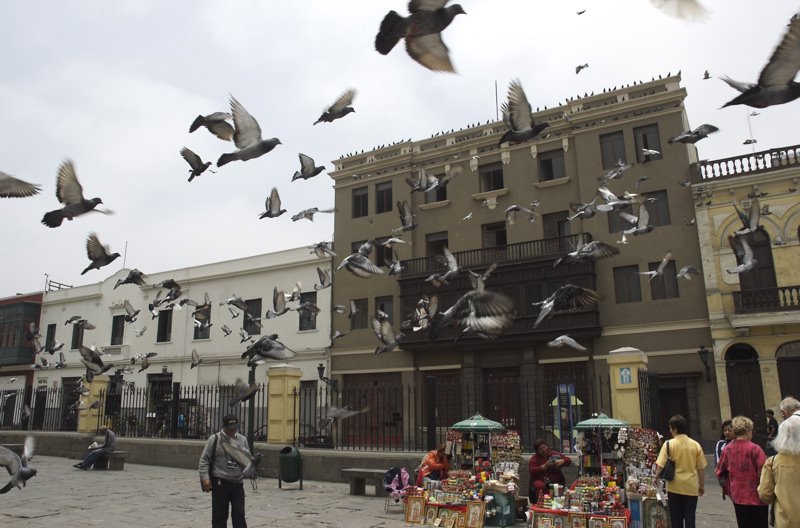
from Lima, the colonial capital that Pizzarro made the most important South American city after the Spanish conquest. Lima shows many signs of it being a colonial city with its achitecture, the wooden colony balconies on many of the old buildings has become a symbol for Lima.
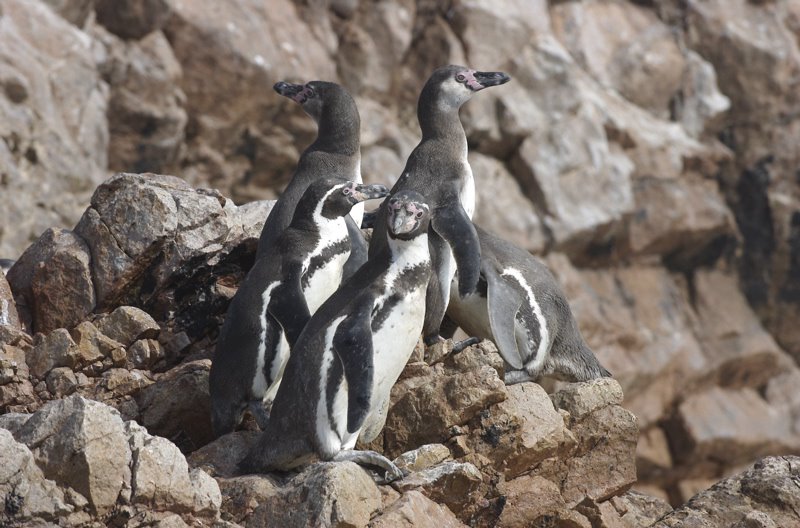
For those of you who have visited the equisit cathedral in Toledo, Spain will notice that the Lima cathedral have a downscaled version of the famous choire from Toledo – well, a Roman Catholic cathedral itself is not something the pre-colombians themselves figured they needed. We sailed out of Callao, the giant port of Lima, the most important Pacific port of South America together with Valparaiso in Chile. From there we set course for Islas Ballestas, close to the city Pisco (hence the sour drink...). Islas Ballestas is some small islets with an abundace of seabirds, sea lions and a few Humbolt penguins as inhabitants. It is also occasionally harvested for guano that is used as furtilizer locally. The guano industry used to be big and thousands of tons of guano used to be exported from Peru, round Cape Horn and to Europe in the beginning of the last century. It was often called the nitrate trade. Our purpose being there was to take a zodiac cruise to enjoy the massive wildlife. After, we sailed into Paracas where we landed and took a guided tour with local guides.
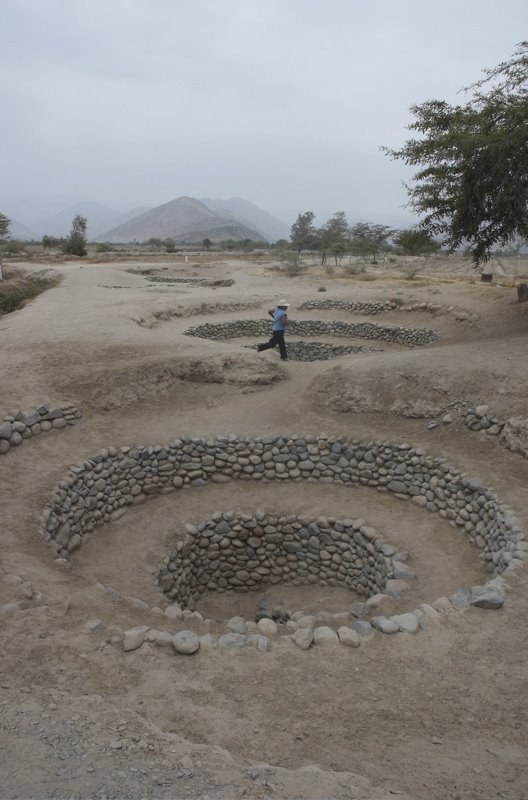
The day after we landed in Bahia San Juan to take a bus to see the Nazca Lines, geoglyphs on the Nazca plateu. Geoglyphs are shapes that are layed out in stone, it differes from petroglyphs in the sense that the latter is carvings such as we find after ancient norse cultures several places in Norway. Some of the Nazca Lines are giant and unexplainable using .modern western references. Appreciating them from flights with small Cessna fixed wings are the most effective, but it calls for wondering knowing that the makers, the Nazca people made the lines ages before the Wright brothers came ut with the first flying machines – even well before Christ walked on water... Some of the figures resembles mammals, both terrestial and marine. There is even a figure called the Astronaut. there are also an abundanse of lines and shapes that makes arceologists, mathematichians and other that are supposed to administer modern, western rational thought scratch thein bold head. In Nazca there are also a advanced irrigation system with sub-surface aquaducts that have vents every ten meters so that sections could be repaired in case of earthquakes, aslo originating thousands of years back.
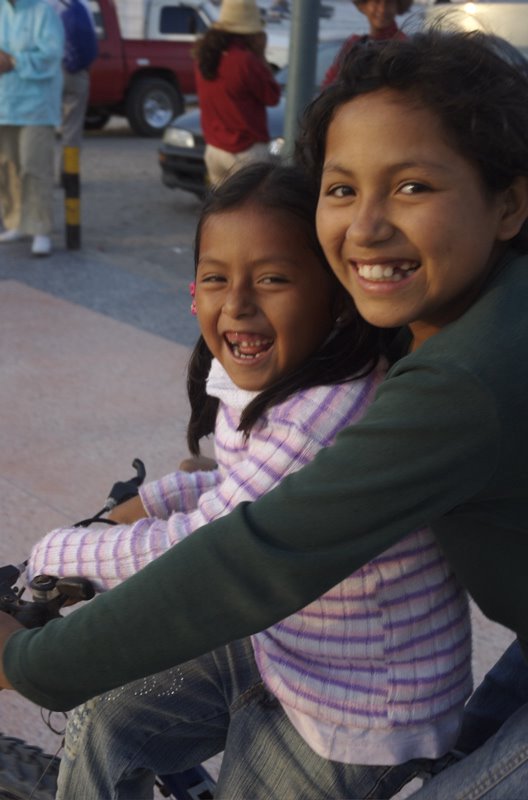
The aquaducts are still in use and I can confirm that the water are still running cold and clean – it is four years since last rainfall in the Nazca Valley! Peru´s most famous archeological site is by far Machu Picchu, but sites like Nazca and Trujillo with it´s adobe city Chan Chan truly makes the country extremely facinating travelling in. Not to mention the beautiful people inhabiting it